How to Measure ROI from Event Advertising: A Brand Manager’s Playbook
Published on: Monday, Mar 2, 2026
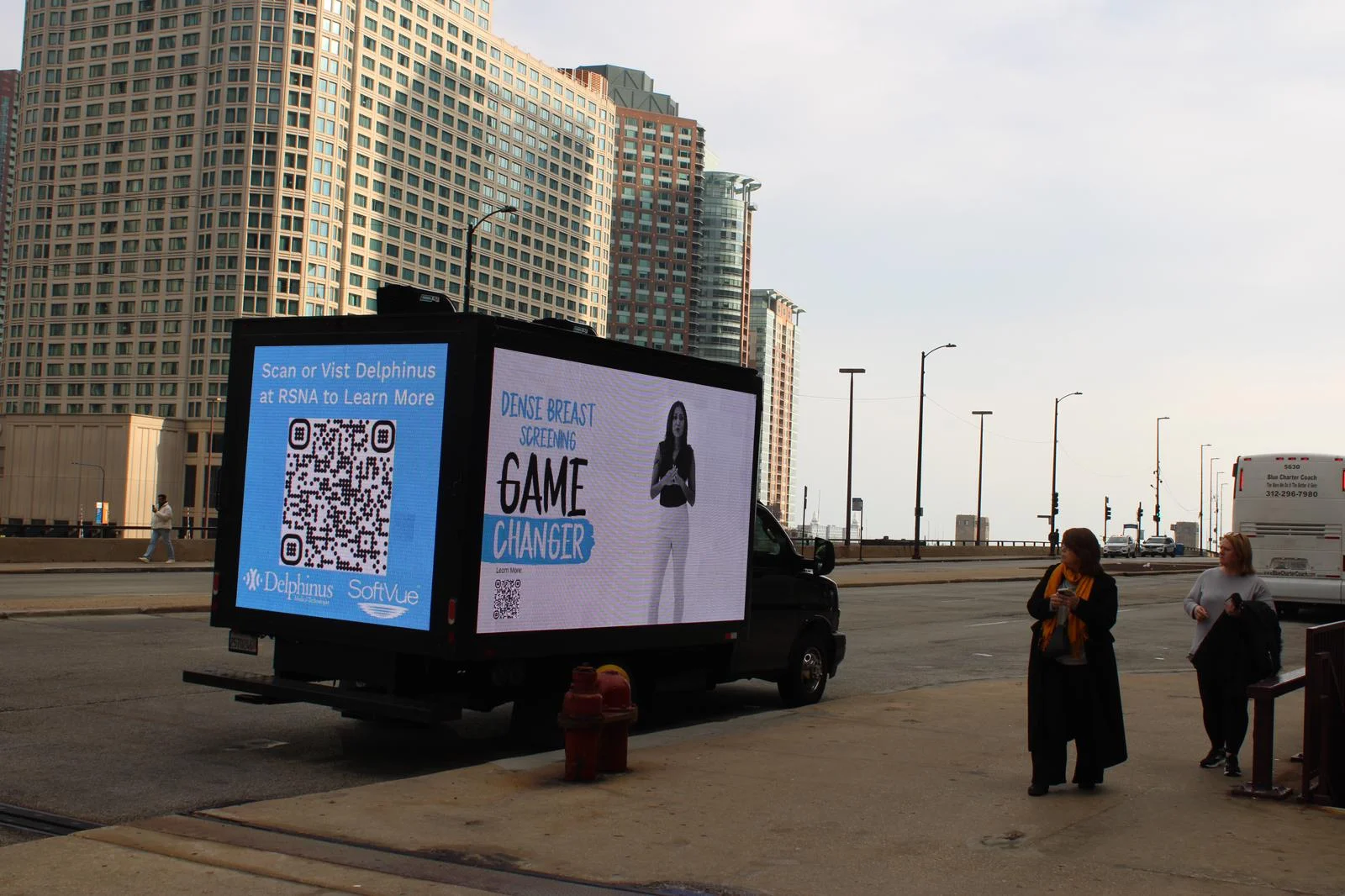
Your company just spent $180,000 on event advertising across three major conferences and a music festival. The CMO wants a report. Finance wants justification. And you have a folder full of photos, a handful of leads, and a vague sense that “it went well.” Sound familiar? You are not alone. According to industry research, nearly 70% of brand managers say measuring event advertising ROI is their single greatest challenge, even as event budgets continue to climb year over year.
The problem is not that event advertising fails to deliver results. It is that most teams lack a structured framework to capture, quantify, and communicate those results. This playbook changes that. Below, you will find a practical, data-driven system for measuring event advertising ROI that you can implement at your next activation, whether it is a trade show booth, a sponsored concert, a branded pop-up, or an out-of-home campaign surrounding a major event.
Why Measuring Event Advertising Effectiveness Remains Difficult
Event advertising occupies an unusual space in the marketing mix. Unlike paid search or programmatic display, where every click and conversion is tracked in real time, event advertising blends physical presence, emotional impact, and brand awareness into a single experience. That complexity is exactly what makes it powerful, and exactly what makes event marketing measurement feel slippery.
Three structural challenges make event advertising ROI harder to pin down than digital-channel ROI:
- Multi-touch attribution: An attendee might see your event signage, pick up a brochure, scan a QR code three days later, and convert through an email nurture sequence two weeks after that. Which touchpoint gets the credit?
- Delayed impact: Brand awareness generated at events often takes 30 to 90 days to translate into pipeline activity. Short measurement windows miss the full picture.
- Blended objectives: Most event advertising campaigns pursue awareness, engagement, and lead generation simultaneously, each requiring different metrics and timelines.
The solution is not to pick one metric and force the data into a single number. It is to build a measurement framework that captures value across multiple dimensions, then translate those dimensions into a unified ROI calculation your CFO will respect.
The Event Advertising ROI Framework: Four Layers of Measurement
Effective event marketing measurement operates across four distinct layers, each building on the one before it. Think of these as cumulative, not competing. You need data from all four to build a credible ROI story.
Layer 1: Reach and Impressions
This is the foundation. Before you can measure downstream impact, you need to know how many people your event advertising actually reached.
Metrics to capture:
- Total impressions (foot traffic counts, vehicle traffic data for out-of-home placements, attendance figures)
- Unique reach (deduplicated audience estimate)
- Share of voice at the event (your visibility relative to other advertisers)
- Social media impressions tied to event hashtags, geotags, or branded content
- Earned media mentions and PR coverage
How to capture it: Use a combination of event organizer attendance data, geo-fenced mobile analytics, foot traffic counters, and social listening tools. For out-of-home formats like billboards, transit ads, or mobile displays around event venues, third-party measurement platforms such as Geopath or Place Exchange provide verified impression data.
Layer 2: Engagement and Interaction
Impressions tell you who saw your advertising. Engagement tells you who cared. This layer measures active interaction with your brand during and immediately after the event.
Metrics to capture:
- QR code scans, NFC taps, or short-URL visits from event-specific creative
- Dwell time at booths, activations, or branded spaces
- Social media engagement (likes, shares, comments, user-generated content)
- App downloads or account sign-ups attributed to event touchpoints
- Survey responses or feedback form completions
- Direct conversations and demo requests logged by on-site teams
Pro tip: Use unique QR codes, vanity URLs, or promo codes for each event and each advertising format. This is the single most impactful thing you can do to improve attribution. A QR code on your event signage should resolve to a different landing page than the one in your email invitation. That one step alone will dramatically improve your ability to trace downstream conversions back to specific event advertising touchpoints.
Layer 3: Lead Generation and Pipeline
This is where event advertising ROI starts to translate into language that sales and finance teams understand. The goal at this layer is to quantify the pipeline your event presence created or influenced.
Metrics to capture:
- Marketing qualified leads (MQLs) generated at or attributed to the event
- Sales qualified leads (SQLs) that progress from event-sourced MQLs
- Pipeline value created (total dollar value of opportunities in your CRM linked to the event)
- Pipeline velocity (how quickly event-sourced leads move through stages compared to other channels)
- Existing account re-engagement (named accounts that re-entered active sales cycles after event contact)
How to capture it: Integrate your event lead capture tools (badge scanners, form submissions, QR-to-CRM flows) directly with your CRM and marketing automation platform. Tag every contact with the event source and the specific advertising touchpoint that initiated the interaction. Run attribution reports at 30, 60, and 90 days post-event to capture delayed conversions.
Layer 4: Revenue and Business Impact
The final layer connects event advertising to actual revenue. This is where you calculate the ROI number that goes into board decks and budget justification documents.
Metrics to capture:
- Closed-won revenue attributed to event-sourced leads
- Customer lifetime value (CLV) of event-acquired customers versus other acquisition channels
- Deal size comparison (average contract value from event leads versus non-event leads)
- Customer acquisition cost (CAC) for the event channel
- Retention rate of event-acquired customers at 12 and 24 months
How to Calculate Event Advertising ROI: The Formula and a Worked Example
With data from all four layers, the actual ROI calculation is straightforward:
Event Advertising ROI = ((Revenue Attributed to Event – Total Event Cost) / Total Event Cost) x 100
Here is a worked example for a B2B software company advertising at a major industry conference:
| Component | Data |
|---|---|
| Total event investment | $85,000 (booth, signage, out-of-home ads, staff travel, collateral) |
| Impressions generated | 420,000 (booth traffic + out-of-home + social) |
| Engaged interactions | 3,200 (QR scans, booth visits, demo requests) |
| MQLs generated | 186 |
| SQLs (within 90 days) | 41 |
| Closed deals (within 6 months) | 9 deals, avg. $38,000 contract value |
| Revenue attributed | $342,000 |
| ROI | 302% (($342,000 – $85,000) / $85,000 x 100) |
Notice the six-month attribution window. This is critical. Teams that measure event ROI at 30 days consistently undercount revenue by 40% to 60%, because B2B sales cycles frequently extend well beyond the event itself.
The Brand Awareness Multiplier: Measuring What Is Hard to Measure
The framework above captures direct, attributable revenue. But experienced brand managers know that event advertising also generates significant value through brand awareness lift, which is harder to quantify but no less real.
Here are three practical methods for putting numbers on brand awareness from event advertising:
Pre- and Post-Event Brand Surveys
Run a short brand awareness survey among your target audience segment before the event and again two weeks after. Measure changes in unaided recall, aided recall, brand favorability, and purchase intent. Even a sample size of 200 to 300 respondents per wave will produce statistically meaningful results. Platforms like Kantar, Lucid, or Suzy make this operationally simple.
Share of Search Analysis
Track branded search volume for your company name and key product terms during and after the event period versus the baseline period. Google Trends data, Google Ads impression share, and tools like Semrush or Ahrefs can quantify the lift. Research from the IPA (Institute of Practitioners in Advertising) has shown that share of search is a reliable leading indicator of market share, making this a compelling proxy metric for awareness-driven campaigns.
Social Listening and Sentiment Analysis
Measure the volume and sentiment of brand mentions across social platforms during the event window. Compare against your baseline mention rate and against competitor mention volume during the same period. Tools like Brandwatch, Sprout Social, or Talkwalker provide structured sentiment data you can include in ROI reports.
Event Advertising Metrics Benchmarks: What Good Looks Like
One of the most common questions brand managers ask is “How do I know if my numbers are good?” While benchmarks vary by industry, event type, and advertising format, here are directional benchmarks for event advertising metrics based on aggregated industry data:
| Metric | Below Average | Average | Strong |
|---|---|---|---|
| Cost per impression (event OOH) | $0.02+ | $0.008 – $0.015 | Under $0.006 |
| Engagement rate (interactions / impressions) | Under 0.5% | 0.5% – 1.5% | Over 2% |
| MQL-to-SQL conversion rate | Under 10% | 15% – 25% | Over 30% |
| Event-sourced pipeline ROI | Under 150% | 200% – 400% | Over 500% |
| Brand awareness lift | Under 5% | 8% – 15% | Over 20% |
Use these benchmarks as starting points, not absolute standards. Your own historical data will become the most meaningful benchmark over time, which is why consistent measurement across events is so important.
Five Common Event Advertising ROI Mistakes (and How to Avoid Them)
1. Measuring Too Soon
Running your ROI report the Monday after the event guarantees you will undercount impact. Set your primary measurement window at 90 days for pipeline metrics and 6 months for revenue metrics. Report preliminary results at 30 days, but clearly label them as incomplete.
2. Ignoring Influenced Revenue
Not every deal that closes after an event was “sourced” by the event. But many were influenced by it. Track both event-sourced (first touch) and event-influenced (multi-touch) revenue. Reporting only first-touch attribution undervalues event advertising by an estimated 30% to 50%.
3. Failing to Set Baselines
You cannot measure lift without a baseline. Before every event campaign, document your current brand awareness scores, website traffic levels, pipeline volume, and lead flow rates. Without these baselines, any post-event measurement is just a number without context.
4. Treating All Events Identically
A trade show booth at an industry conference serves a fundamentally different purpose than out-of-home advertising at a consumer festival. Apply different measurement frameworks and success criteria to different event types. Awareness-focused activations should be measured primarily on reach and brand lift. Lead generation events should be measured primarily on pipeline and conversion.
5. Not Connecting Online and Offline Data
The gap between physical event interactions and digital tracking remains the single biggest source of measurement error. Bridge this gap with event-specific QR codes, unique landing pages, geofencing-triggered retargeting pixels, and CRM-integrated lead capture. Every physical touchpoint should have a digital handshake that feeds data back into your analytics stack.
Building Your Measurement Stack: Tools and Integration
You do not need an enterprise-grade analytics platform to measure event advertising ROI effectively. Here is a practical measurement stack organized by function:
- Impression tracking: Geopath (OOH verification), event organizer data, mobile location analytics (Placer.ai, Near)
- Engagement tracking: QR code platforms with analytics (Flowcode, Beaconstac), UTM-tagged URLs, Google Analytics 4
- Lead capture: Badge scanners (integrated with your CRM), custom forms, NFC-enabled collateral
- Pipeline and revenue: Your CRM (Salesforce, HubSpot) with proper event-source tagging and multi-touch attribution models
- Brand awareness: Survey platforms (Kantar, Suzy), social listening (Brandwatch, Sprout Social), share of search analysis (Semrush, Google Trends)
The most important integration is between your on-site lead capture and your CRM. Leads captured at events that are not properly tagged and routed into your nurture sequences within 24 hours lose up to 80% of their conversion potential. Automate this flow before the event, not after.
Actionable Takeaways for Your Next Event Campaign
If you implement nothing else from this playbook, do these five things:
- Set measurement baselines 30 days before the event. Document current brand awareness, web traffic, pipeline volume, and lead velocity so you have a clean comparison point.
- Create unique tracking assets for every format and channel. Separate QR codes, vanity URLs, and promo codes for each advertising placement. This is non-negotiable for attribution.
- Extend your measurement window to 90 days minimum. Report preliminary data at 30 days, but do not make budget decisions until you have 90-day pipeline data.
- Track both sourced and influenced revenue. Use multi-touch attribution in your CRM to capture the full value of your event presence, not just first-touch leads.
- Build a measurement template and reuse it. Consistency across events is what turns isolated data points into a strategic dataset. After three or four events using the same framework, you will have the data to optimize your event advertising mix with genuine confidence.
Event advertising remains one of the most effective channels for building brand awareness, generating qualified pipeline, and creating memorable customer experiences. The brands that win in this space are not necessarily the ones spending the most. They are the ones measuring the most rigorously and reallocating budget based on what the data reveals.
Start Measuring Smarter
Whether you are running booth activations, sponsoring stages, deploying out-of-home advertising around event venues, or combining multiple formats for maximum impact, the framework above gives you a repeatable system for proving and improving your event advertising ROI. If you are exploring high-impact, measurable advertising formats for your next event campaign, LED Truck Media works with brand teams to deploy mobile billboard campaigns at events nationwide, with built-in impression tracking and audience analytics. Reach out to discuss your next event.
Share This Article
Stay Updated with the Latest Insights!
Get the best of mobile advertising news, tips, and trends delivered straight to your inbox
Ready to Transform Your Advertising?
Get Started Now and Explore New Possibilities with Our Comprehensive Mobile Billboard Solutions.